
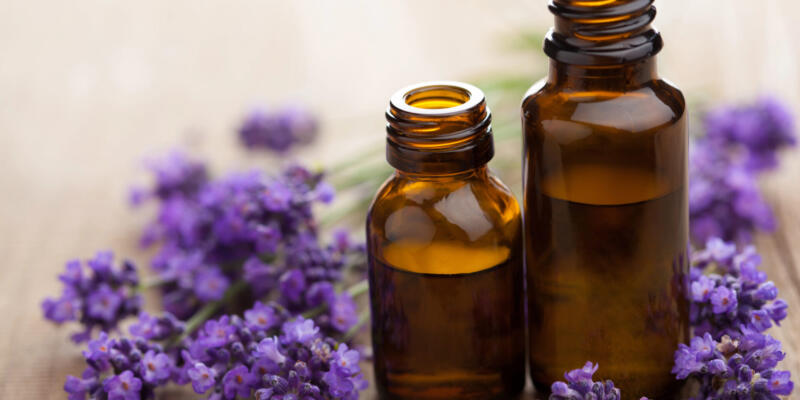
Which brand of essential oils has the least amount of toxic phthalate contamination? Mamavation community members use lots of essential oils, so they also wanted to know which brands were the least problematic to the endocrine system. Mamavation has already released similar investigations on olive oil, coconut oil, tallow, ghee, & avocado oil to help your family lower your phthalate exposure. Now join us for our latest consumer study testing lavender and peppermint essential oils for toxic phthalates.
Disclosure: This consumer study is released in partnership with Environmental Health News. Scientific reviews were performed by (1) Linda S. Birnbaum, Scientist Emeritus and Former Director of the National Institute of Environmental Health Sciences and National Toxicology Program & Scholar in Residence at Duke University, Adjunct Professor at the University of North Carolina, & Yale University, and (2)Terrence Collins, Teresa Heinz Professor of Green Chemistry & Director of the Institute for Green Sciences at Carnegie Mellon University. Sondra Strand, RN, BSN, PHN, medically reviewed this post. Donations were provided by Environmental Health News and Mamavation community members. Note that Mamavation has only “spot-checked” the industry and thus we cannot make predictions about brands and products that we have not tested. Products and manufacturing aides can change without notice so buyer beware. This post contains affiliate links, with most to Amazon, which means Mamavation will receive a portion of those sales and we will use that to pay ourselves back for the testing. You can also give a tax-deductible donation to our consumer studies here through Environmental Health Sciences. Thank you! Copyright © 2025 Mamavation — All Rights Reserved

Table of Contents
Phthalates Found in Popular Lavender & Peppermint Essential Oil Products
Mamavation’s EPA-certified laboratory found phthalates in popular lavender & peppermint essential oil products. These chemicals are linked to serious health effects, which we will discuss later. Because phthalates are so problematic to normal hormone action, Mamavation has commissioned our own scientific studies on phthalates in personal care products to make recommendations for the safest essential oils for personal care. Continue reading Mamavation’s article on these products to find which brands have the lowest amounts of phthalates, according to our laboratory.
For this consumer study, Mamavation sent 22 popular lavender & peppermint essential oils from 11 brands to an EPA-certified laboratory looking for phthalates. Because Mamavation only tested one product per product category, we cannot claim to know if these issues are, in fact, industry-wide or brand-wide. However, based on our “spot-check” of the industry, this is what we found:
- 100% of essential oil products analyzed by our laboratory contained traces of phthalates. That’s 22 out of 22 products.
- Ranges of phthalates were from 40 ppb to 13,029 ppb, which is the total sum of phthalates. Based on the amounts presented, we created 3 categories to communicate levels of phthalates found: (1) Essential oils with the most contamination, (2) Essential oils with intermediate contamination; & (3) Essential oils with the least contamination. These categories are not based on health impacts. They are based on what we have found and where the middle ground lies in each category.
- 41% of essential oil products had over 2,000 ppb total sum phthalates. That’s 9 out of 22 essential oil products over 2,000 ppb. We dubbed this the “Not Our Favorite Essential Oils with Highest Contamination” realm, which would have the highest amount of phthalates.
- 23% of essential oil products had between 1,000 and 2,000 ppb total sum phthalates. That’s 5 of 22 essential oil products between 1,000 ppb and 2,000 ppb. We dubbed this the “Better Essential Oils with Intermediate Contamination” realm.
- 36% of Essential Oil products had below 1,000 ppb phthalates. That’s 8 out of 22 essential oil products below 1,000 ppb. We dubbed this the “Best Essential Oils with the Lowest Contamination” realm.
If you are using essential oils for personal care, this investigation will be very important to follow to reduce your family’s exposure to phthalates. However, as you can see, all essential oil manufacturers whose products Mamavation studied still have work to do to remove phthalates.
Linda S. Birnbaum, Scientist Emeritus and Former Director of the National Institute of Environmental Health Sciences and National Toxicology Program & Scholar in Residence at Duke University, Adjunct Professor at the University of North Carolina, & Yale University had this to say: “Essential Oils are used by millions of families every day. This industry needs to take better care to safeguard its customers from toxic phthalates, and we hope this investigation will encourage them to do more testing of their supply chain before their products are sold to families.”
Types of Phthalates Found in Our Essential Oil Study
Our laboratory found 12 different types of phthalates in the essential oils we sent to them. Here’s a brief breakdown of each type of phthalate our lab found.
- Diethyl phthalate (DEP): Used as a solvent and fixative in fragrances, this chemical is a phthalate ester. It is dense and sinks in water. DEP can be found inside toothbrushes, automobile parts, tools, toys, food packaging, cosmetics,
insecticides, & aspirin. Studies found that low molecular phthalates, such as DEP, can acutely irritate the skin, conjunctiva, and mucous membrane of the oral and nasal cavities - Di-n-pentyl phthalate (DPP): According to the EPA, DPP is no longer in use in commerce. Oddly, our EPA-certified laboratory is somehow finding it in essential oils. DPP was primarily used to soften polyvinyl chloride. But later could be found in a number of products, including glues, building materials, personal care products, detergents and surfactants, packaging, children’s toys, paints, pharmaceuticals, food products, and textiles.
- Diisobutyl phthalate (DiBP): Exposure to DiBP induced changes in animal body weight, liver weight, and reproduction and development (testicular weight, spermatogenesis, fetal body weight, anogenital distance, testicular testosterone production, sertoli cell vacuolization, testicular development, and external malformations in reproductive tissue). The Consumer Products Safety Commission says “products that contain DiBP may be considered “hazardous.”
- Dimethyl Phthalate (DMP): This phthalate is a short-branched low molecular weight phthalate. It’s found commonly in safety glass, lacquer coatings, insect repellents, cosmetics, ink, soap, and household cleaning products. This phthalate has been linked to weight gain among other health problems via animal studies such as endocrine disruption, reproductive issues, liver & kidney toxicity, & cancer concerns.
- Dibutyl phthalate (DBP): This type of phthalate is commonly used as a plasticizer and as an additive to adhesives or printing inks. It usually is a colorless oil, but can have a yellow color. Use of this substance in cosmetics, such as in nail polishes, is banned in the European Union. DBP is one of the six phthalic acid esters found on the Priority Pollutant List regulated by the Environmental Protection Agency (EPA). Animal studies have observed that DBP is toxic to fetal development. This phthalate is associated with additional health concerns like reproductive toxicity, prenatal, perinatal, & post-natal toxicity, and genotoxicity.
- Di-n-octyl phthalate (DNOP): This type of phthalate is a colorless, odorless, oily liquid that doesn’t evaporate easily and is used to keep plastics soft or more flexible. It is used for medical tubing and blood storage bags, wire and cables, carpetback coating, floor tile, adhesives, cosmetics, and pesticides. Animal studies have demonstrated increased fetal malformations and reduced body weights of offspring. DNOP comprises about 20% of commercial C6-10 phthalate mixtures used in flooring and carpet tiles, tarps, pool liners, and garden hoses. DNOP is approved by the Food & Drug Administration (FDA) as an indirect food additive which is typically used in manufacturing as seam cements, bottle cap liners, and conveyor belts. DNOP are classified by the United States Environmental Protection Agency (USEPA) as priority environmental pollutants.
- Benzyl butyl phthalate (BzBP): This type of phthalate is used as a plasticizer in the production of polyvinyl chloride and other plastics. You’ll find this in sealing, coating, painting, adhesive products, and formulations. Phthalates are linked to reduced fetal testosterone indicating anti-androgenic effects in animal studies.
- Dicyclohexyl phthalate (DCHP): DCHP is a Phthalate ester (PAEs) and a type of persistent organic pollutant (POP). It’s a phlegmatizer (i.e. lowers the excitement of molecules and keeps them from exploding) and dispersion agent, used in adhesives, as a sealant or in textile printing, as a co-plasticizer in PVC, rubber, and other plastics. This phthalate is classified as toxic for reproduction and has endocrine-disrupting properties and has also been linked to high cholesterol, & cardiovascular disease. EPA designated DCHP as a High-Priority Substance in December 2019 and has been reviewing its toxicity ever since.
- Diisononyl phthalate (DINP): This type of phthalate is used as a plasticizer. The European Union has set restrictions on this chemical in food contact materials because of the determination that it’s problematic to human health. DINP is also listed on the California Prop. 65 list of carcinogens and reproductive toxicants.
- Diisodecyl phthalate (DIDP): Found commonly in PVC plastics, artificial leather, toys, carpet backing, covering on wires and cables, and pool liners. This chemical is also on California’s Prop. 65 list of carcinogens and reproductive toxicants. It’s associated with health concerns including liver & kidney toxicity, developmental issues, endocrine disruption, reproductive issues, asthma & allergies, & thyroid problems.
- Di-2-ethylhexyl Phthalate (DEHP): DEHP is a highly toxic endocrine disruptor. It was also the most common phthalate found by our lab and is found commonly in building products (wallpaper, wire, and cable insulation), clothing (footwear, raincoats), car products, food packaging, medical devices, and children’s products (toys, grip bumpers). This chemical is also on California’s Prop. 65 list of carcinogens and reproductive toxicants. In addition, it’s been linked to endocrine disruption, reproductive issues, developmental issues, liver & kidney toxicity, asthma & allergies, & thyroid problems.
- Bis(2-propylheptyl) Phthalate (DPHP): This type of phthalate is a substitute for other high molecular weight phthalates used primarily for high-temperature applications such as cable wires, roofing membranes, and food containers. It is used to soften plastics and is a general-use plasticizer under investigation as an endocrine disruptor. This phthalate is associated with additional health concerns like reproductive toxicity, prenatal, perinatal, & post-natal toxicity, and genotoxicity.
Terrence Collins, Teresa Heinz Professor of Green Chemistry & Director of the Institute for Green Sciences at Carnegie Mellon University had this to say about our essential oil investigation:
The whole world is starting to understand more and more that exposure of developing animals, including humans, to endocrine disrupting chemicals (EDCs) changes the phenotype of the exposed creature. “Changing the phenotype” is scientific parlance for changing the observable physical characteristics or biochemical characteristics of the exposed creature, including behavior. For emphasis, I will pick up on a few of the facts that Mamavation is skillfully sharing with you in this article, dear Reader. Phthalate induced changes in human phenotype are massive tragedies! Phthalates are well-known antiandrogens that, most significantly, act against the actions of male humans to form the healthy male reproductive tract; exposures during development can produce irreversible, lifelong de-masculinizing consequences. Every human child should have an unalienable right to develop in its mother’s womb and thereafter free of contamination by phthalates! Exposures of potential fathers and mothers to phthalates prior to conception and ongoing exposures through pregnancy and through the periods of development of the male reproductive tract into adulthood are virtually unavoidable in America today. We must all demand that this self-evident right be established expeditiously and incontrovertibly in American law. I am so proud of Mamavation’s efforts to help motherhood (and every other humanhood) to protect coming generations from phthalates where this work on essential oils shows vividly that Mamavation’s work is tragically necessary.

Phthalates Have Specific Problematic Health Effects
Phthalates are linked to many health effects from several studies on both animals and humans. This is very problematic because phthalates are linked with disruption of the endocrine system, which regulates the body’s hormones, even in trace amounts in low concentrations. Epidemiological studies have revealed that exposure to phthalates adversely affects the level of hormones within the body, which can impact many important health functions. Here are some health effects phthalate exposure is linked to:
- Weight gain & obesity
- Shorter height
- Precocious puberty
- Asthma
- Allergies
- Attention Deficit Hyperactivity Disorder (ADHD)
- Lower IQ
- Social impairment
- Type II diabetes and insulin resistance
- Poor cardiovascular health
- Thyroid function
- Increased risk of thyroid cancer
- Females: pregnancy loss and preterm birth, low birth weight, earlier menopause
- Males: genital development, semen quality, reduced “masculine” play, Inhibits testosterone production, Shortened anogenital distance, or shortened “taint” , Shortened length of penis
Phthalates & Regulation — Dangerous Loopholes
Phthalates are typically found inside plastics and in undisclosed fragrances. When in plastics, they work to make the plastic more flexible. When they are in fragrances, they help carry the scent longer in the air. These chemical contaminants are found in many types of products that are involved in the food service industry, like food service gloves, tubing used in dairy operations, hoses, holding tanks, and conveyor belts inside manufacturing plants. There are so many places where phthalates can show up because they are legal indirect food additives used in manufacturing for both conventional AND organic foods. There is some movement to restrict some ortho-phthalate chemicals from food packaging but not from manufacturing in general.
Because phthalates are so problematic to human health, there are varying restrictions on products and food at the federal level. There is, however, no consistency among federal agencies to protect the public. For instance, the U.S. Consumer Product Safety Improvement Act (CPSIA) restricts certain phthalates within children’s toys and childcare products. They prohibit the import and sale of those products that contain more than 0.1% of the following phthalates:
- di-(2-ethylhexyl) phthalate (DEHP)
- dibutyl phthalate (DBP)
- benzyl butyl phthalate (BBP)
- diisononyl phthalate (DINP)
- diisobutyl phthalate (DIBP)
- di-n-pentyl phthalate (DPENP)
- di-n-hexyl phthalate (DHEXP)
- dicyclohexyl phthalate (DCHP)
Even though the U.S. Consumer Product Safety Commission restricted 8 ortho-phthalates in products intended for use by children, you still see some of the same chemicals approved as indirect additives by the FDA in the food supply even when those foods are marketed to children. Furthermore, the FDA denied a citizen petition in 2022 which demanded to take these phthalate chemicals out of the food supply because they impact the hormones of children.
California also has some restrictions under the Prop. 65 list of Carcinogens and Reproductive Toxicants, requiring products sold over the limits to be accompanied by a warning. Any consumer living in California who tests and finds products with specific phthalate amounts outside the limits may bring a Prop. 65 lawsuit six months after serving the company with a public notification letter. However, be advised these limits are not enforceable. California’s “right to know” law is only about warning the consumer about the carcinogenic chemicals present. Therefore, California cannot force companies to recall products that are above these limits. Here are the phthalate-criteria:
- BBP – Maximum Allowable Dose Levels (MADL) 1,200 μg/day (oral) (Note: ug = a microgram = 1 millionth of a gram. 1 gram = 0.035 oz.)
- DBP – MADL 8.7 μg/day
- DIDP – MADL 2,200 μg/day
- DnHP – MADL 2,200 μg/day
- DEHP – No Significant Risk Level (NSRL) 310 μg/day (adult), MADL 4,200 μg/day (intravenous adult), MADL 600 (intravenous infant), MADL 410 ug/day (oral for adult), MADL 58 ug/day (oral for infant).
- DINP – NSRL 146 μg/day
It could be possible that the vast majority of phthalates are finding their way into the product during manufacturing, storage, or transportation. Under the Food & Drug Administration 21 CFR rules, FDA regulates food, drugs, cosmetics, and food contact materials within the United States. The FDA sanctioned the use of 25 plasticizers via an amendment to food additive regulations: 21 CFR Part 175 through 21 CFR Part 178. These regulations allow the use of phthalates in the food supply as “indirect food additives” that can be present. These chemicals can find their way into your food in many ways during manufacturing such as:
- Adhesives and components of coatings used in food contact materials;
- Components of paper and paperboard, such as paperboard that is in contact with aqueous and fatty foods or used as a defoaming agent on the paperboard;
- Adjuvants, production aids, and sanitizers used in manufacturing;
- Plasticizers in polymeric substances, such as phthalates in plastic PVA or PVC sheets in food contact materials OR vinyl chloride homopolymers or copolymers used in food contact materials;
- Surface lubricants used to make metallic products.
Other Categories of Products Mamavation Has Tested for Toxic Contaminants
Before we launch into the raw data from our lab, we wanted to remind you about all the other studies we have done on indications of PFAS “forever chemicals,” pesticides, & heavy metals inside the food and consumer products you may bring inside your home. Each one of these studies were done in a similar fashion as this study with brands sent independently to the certified lab and raw data of those labs at the bottom of the post.
- Soft Contact Lenses
- Green Beauty Makeup
- Lip Balm
- Condoms & Lubricants
- Dental Floss
- Toilet Paper
- Tissue Paper
- Period Underwear
- Tampons
- Sanitary Pads, Pantiliners, & Incontinence Pads
- Powdered Electrolytes
- Cinnamon
- Salt
- Butter Wrappers
- Pasta & Tomato Sauces
- Nut Butters (Peanut butter, etc.)
- Coffee
- Olive oils
- Coconut oils
- Avocado oils
- Ghees
- Ketchup
- Activewear (Yoga Pants)
- Sports Bras
- Parchment Paper
- Cupcake Liners
- Plastic-Free Straws
- Sandwich Baggies (Both plastic & more “sustainable” options)
- Fast Food Packaging
- Furniture
- Children’s Probiotics
- Kids’ Backpacks
- Baby Strollers
- Baby Bottles
Product Brands We Tested
To help our community make safer choices, Mamavation sent a wide range of lavender and peppermint essential oils to our EPA-certified laboratory for phthalate testing. All products were evaluated for 15 different phthalates to identify potential contamination.
Below is the complete list of essential oil products included in our investigation.
Essential Oils Tested by Mamavation
-
Aura Cacia Lavender Pure Essential Oil
-
Doterra Lavender Essential Oil
-
Rocky Mountain Lavender Essential Oil
-
Cliganic Organic Peppermint Essential Oil
-
Doterra Peppermint Essential Oil
-
Nature Packaged Peppermint 100% Essential Oil (India Origin)
-
Revive Peppermint Essential Oil
-
Rocky Mountain Peppermint Essential Oil
-
Young Living Peppermint Essential Oil
-
Cliganic Organic Lavender Essential Oil
-
Revive Lavender Essential Oil
-
Vibrant Blue Oils Lavender Essential Oil
-
Mountain Rose Herbs Peppermint Essential Oil
-
Plant Therapy Essential Oils Organic Peppermint
-
Mountain Rose Herbs Lavender Essential Oil
-
Nature Packaged Lavender 100% Essential Oil (Bulgaria Origin)
-
Now Essential Oil 100% Pure Lavender
-
Plant Therapy Essential Oils Organic Lavender KidSafe
-
Young Living Lavender Essential Oil
-
Now Essential Oil 100% Pure Peppermint
-
Aura Cacia Peppermint Pure Essential Oil
-
Vibrant Blue Oils Peppermint Essential Oil
Brands marked with an asterisk had less than 100 ppb total phthalates.
Want full access to the raw data, phthalate results, and our recommendations for the safest essential oils? Become a Member and get Free Access to the complete buying guide with detailed lab results for every product.
Mamavation’s Investigation of Lavender & Peppermint Essential Oils
For this study, lavender & peppermint essential oils were purchased between November 2023 and December 2024. Each product was recorded in our database and sent directly to the lab within its original packaging. Mamavation’s EPA-certified lab tested for the following phthalates.- Diethyl phthalate (DEP)
- Di-n-propyl phthalate (DPP)
- Diisobutyl phthalate (DIBP)
- Dibutyl phthalate (DBP)
- Dihexyl phthalate (DnHP)
- Benzyl butyl phthalate (BBP)
- Dicyclohexyl phthalate (DCHP)
- Diisononyl phthalate (DINP)
- Di-n-octyl phthalate (DnOP)
- Diisodecyl phthalate (DIDP)
- bis(2-Ethylhexyl)phthalate (DEHP)
- Dimethyl phthalate (DMP)
- Bis(2-propylheptyl) Phthalate (DPHP)
- Didecyl phthalate (DDP)

Mamavation's Investigation of Essential Oils Tested for Toxic Phthalates
Not Our Favorite Essential Oils -- Essential Oils with the Most Contamination
This category includes products tested at our EPA-certified laboratory, which returned results exceeding 2,000 ppb for the total sum of phthalates.Lavender
- Aura Cacia Lavender Pure Essential Oil -- 4,674 ppb total sum phthalates
- Doterra Lavender Essential Oil -- 8,343 ppb total sum phthalates
- Rocky Mountain Lavender Essential Oil -- 2,181 ppb total sum phthalates
Peppermint
- Cliganic Organic Peppermint Essential Oil -- 2,431 ppb total sum phthalates
- Doterra Peppermint Essential Oil -- 13,029 ppb total sum phthalates
- Nature Packaged Peppermint from India Origin 100% Essential Oil -- 2,743 ppb total sum phthalates
- Revive Peppermint Essential Oil -- 4,777 ppb total sum phthalates
- Rocky Mountain Peppermint Essential Oil -- 5,217 ppb total sum phthalates
- Young Living Peppermint Essential Oil -- 2,657 ppb total sum phthalates
Better Essential Oils -- Essential Oils with Intermediate Contamination
This category includes products tested at our EPA-certified laboratory, which returned results between 1,000 ppb and 2,000 ppb for the total sum of phthalates.Lavender
- Cliganic Organic Lavender Essential Oil -- 1,993 ppb total sum phthalates
- Revive Lavender Essential Oil -- 1,480 ppb total sum phthalates
- Vibrant Blue Oils Lavender Essential Oil -- 1,452 ppb total sum phthalates (Use discount code "MAMAVATION" for 15% off your first purchase!)
Peppermint
- Mountain Rose Herbs Peppermint Essential Oil -- 1,545 ppb sum phthalates
- Plant Therapy Essential Oils Organic Peppermint -- 1,343 ppb total sum phthalates

Best Essential Oils -- Essential Oils with the Least Contamination
This category includes products tested at our EPA-certified laboratory, which returned results lower than 1,000 ppb of total sum phthalates. * means less than 100 ppb total sum phthalates.Lavender
- Mountain Rose Herbs Lavender Essential Oil -- 616 ppb total sum phthalates
- *Nature Packaged Lavender from Bulgaria Origin 100% Essential Oil -- 42 ppb total sum phthalates
- Now Essential Oil 100% Pure Lavender -- 778 ppb total sum phthalates
- *Plant Therapy Essential Oils Organic Lavender Kidssafe -- 40 ppb total sum phthalates
- Young Living Lavender Essential Oil -- 541 ppb total sum phthalates
Peppermint
- Now Essential Oil 100% Pure Peppermint -- 223 ppb total sum phthalates
- Aura Cacia Peppermint Pure Essential Oil -- 128 ppb total sum phthalates
- Vibrant Blue Oils Peppermint Essential Oil -- 308 ppb phthalates (Use discount code "MAMAVATION" for 15% off your first purchase!)
 Plastic Sandwich Bags Like Ziploc Tested for Indications of PFAS “Forever Chemicals”